
India is a remarkable destination known for its deep spiritual roots, vibrant culture, and timeless heritage. From magnificent temples to world-famous pilgrimage sites, the country attracts travelers seeking both devotion and inner peace. For those searching for spirituality and tranquility, India truly feels like a paradise.
Among the many sacred journeys in the country, the Char Dham Yatra holds a special place. This revered pilgrimage takes place in the beautiful Himalayan state of Uttarakhand and draws devotees from across the globe. The journey traditionally moves from east to west and includes visits to four holy shrines dedicated to Hindu deities — Yamunotri Temple, Gangotri Temple, Kedarnath Temple, and Badrinath Temple. Each of these sacred sites is located in a different district and carries immense religious importance.
A Common Myth About Char Dham Yatra
Many people believe that the Char Dham Yatra is meant only for elderly pilgrims. However, this misconception quickly disappears once the journey begins. Travelers of all age groups participate in the yatra and find it equally rewarding. Beyond its religious significance, the pilgrimage also offers adventure, scenic landscapes, and a deep cultural experience that appeals to both young explorers and older devotees alike.
Importance of Char Dham in Hindu Tradition
The Char Dham Yatra is considered one of the most sacred pilgrimages in Hinduism and is often associated with attaining salvation (moksha). Every year, hundreds of thousands of devotees visit these holy shrines seeking blessings and spiritual purification.
According to Hindu belief, the term “Char Dham,” meaning “four sacred abodes,” was popularized by the great philosopher Adi Shankaracharya. Nestled among towering snow-covered peaks and pristine natural surroundings, these shrines create an atmosphere ideal for reflection and devotion.
It is widely believed that completing the Char Dham pilgrimage washes away past sins and opens the path toward spiritual liberation. Many devotees consider it a journey that should be undertaken at least once in a lifetime.
The traditional order of the yatra begins with Yamunotri, followed by Gangotri, then Kedarnath, and finally Badrinath. By the end of the pilgrimage, many travelers describe experiencing a profound sense of peace and mental clarity — the very essence of non secular travel.
Yamunotri Temple
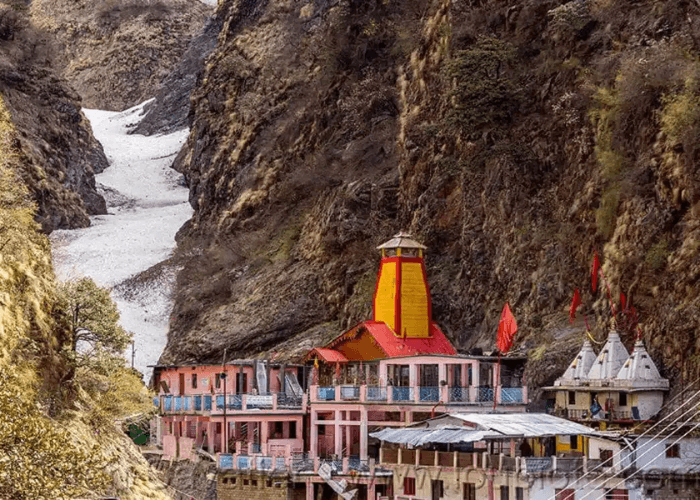 Yamunotri Temple is the sacred source of the Yamuna River and an important pilgrimage destination for Hindus. The temple is dedicated to Goddess Yamuna and marks the starting point of the Char Dham Yatra.
According to mythology, Yamuna is the sister of Yama, the god of death. It is believed that bathing in the holy river protects devotees from untimely death and grants spiritual liberation.
Situated at an altitude of about 3,164 meters, Yamunotri is surrounded by breathtaking mountain scenery. Major attractions include the temple itself and the hot water springs at Janki Chatti, where pilgrims often cook rice And potatoes as a ritual offering. Despite the chilly climate, the thermal springs — known as sacred kunds — keep the area warm and spiritually vibrant.
Gangotri Temple
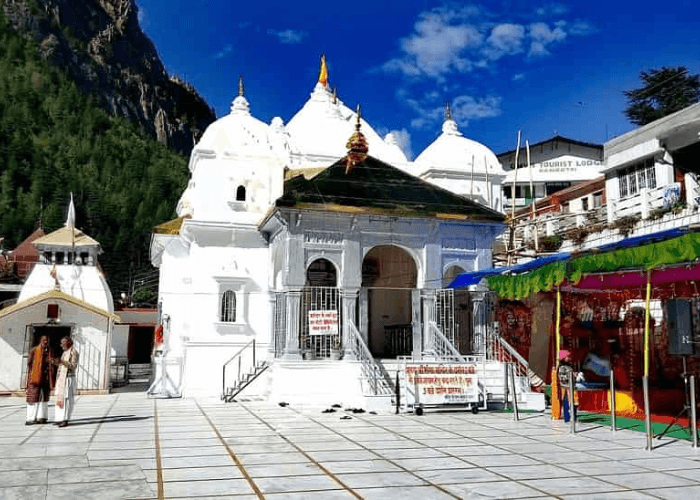 Located at roughly 3,200 meters above sea level, Gangotri Temple stands on the banks of the Bhagirathi River amid spectacular Himalayan landscapes.
Nearby lies Gomukh, the glacier believed to be the physical source of the River Ganga. Legend says that the river descended to Earth after the intense prayers of King Bhagirath, who sought salvation for his ancestors.
The temple dedicated to Goddess Ganga is both beautiful and spiritually uplifting. Pilgrims often take a holy dip in the icy waters before entering the shrine, as the river is seemed as a image of purity and divine grace.
Kedarnath Temple
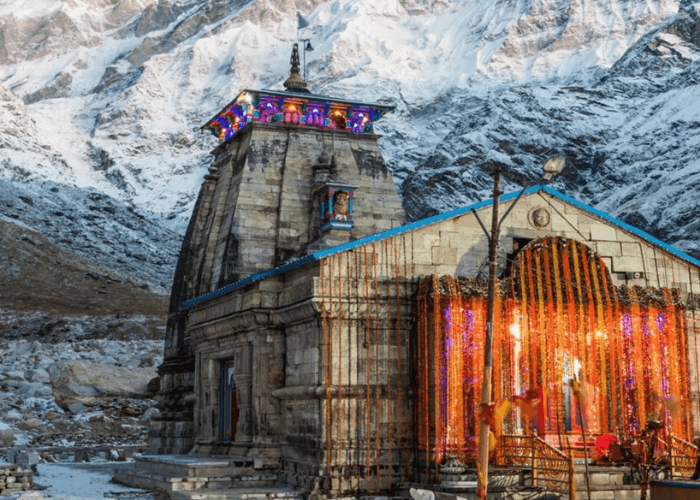 Kedarnath Temple is one of the most revered shrines dedicated to Lord Shiva and is counted among the twelve Jyotirlingas. Set against a dramatic mountainous backdrop, the temple is a powerful symbol of faith and resilience.
Kedarnath is also part of the sacred Panch Kedar circuit, which includes Tungnath, Madhyamaheshwar, Kalpeshwar, and Rudranath. The temple is believed to have been revived by Adi Shankaracharya and has been a major center of devotion ever since.
Due to extreme weather conditions, the shrine remains open only from late April or early May until Kartik Purnima (October–November).
Badrinath Temple
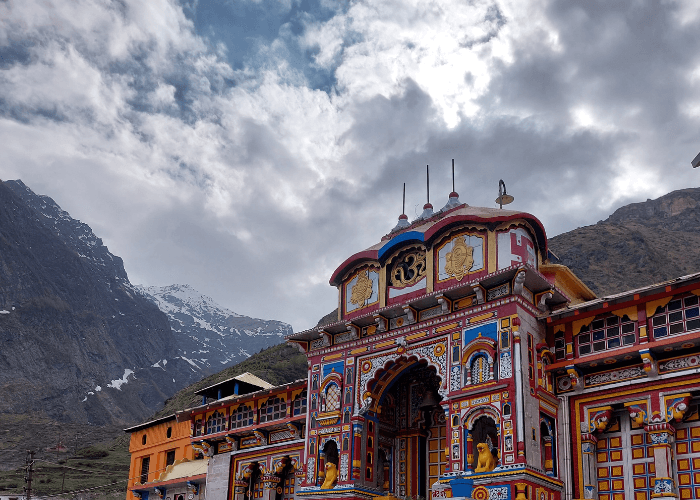 Perched at an elevation of about 3,133 meters on the banks of the Alaknanda River, Badrinath Temple is dedicated to Lord Vishnu, The preserver withinside the Hindu trinity.
Often referred to as Vishal Badri, this temple is considered the most prominent among the Char Dham shrines. The region is also closely associated with Adi Shankaracharya, who is believed to have attained spiritual liberation here.
Surrounded by majestic peaks and serene landscapes, Badrinath offers both divine energy and natural beauty that leave a Lasting impact on each visitor.
Best Time to Visit Char Dham, Uttarakhand
The Char Dham Yatra usually takes place between May and October, making this the ideal period for travel. During these months, the weather is relatively stable, and the temples remain accessible.
However, pilgrims should avoid visiting during the monsoon season (July–August), when heavy rainfall can trigger landslides and disrupt travel plans. In winter, the region experiences intense snowfall, forcing the temples to close temporarily. Planning your journey during the recommended season ensures a safer, smoother, and more spiritually fulfilling experience.
More Than a Journey – A Life Experience
The Char Dham Yatra is not just about visiting temples; it is about the transformation that happens along the way. The quiet mountains, the rhythmic chants, the flowing rivers, everything works together to slow you down and turn your attention inward.
Whether you travel for faith, self-discovery, or the sheer beauty of the Himalayas, this sacred circuit offers something truly rare: a chance to return home feeling spiritually refreshed and emotionally grounded.
For many, it is not just a trip, it is a memory that calls them back again.