
If you’re planning the Chopta trek on fresh snow 2026, you’re choosing one of the most magical winter trekking experiences in Uttarakhand. January transforms Chopta into a white Himalayan wonderland, where snow-covered forests, frozen trails, and crystal-clear mountain views create a dream setting for trekkers and photographers alike.
However, trekking on fresh snow requires preparation, awareness, and the right approach. Below are 7 essential tips to help you safely and confidently enjoy the Chopta winter trek in 2026.
1. Understand January Snow Conditions in Chopta
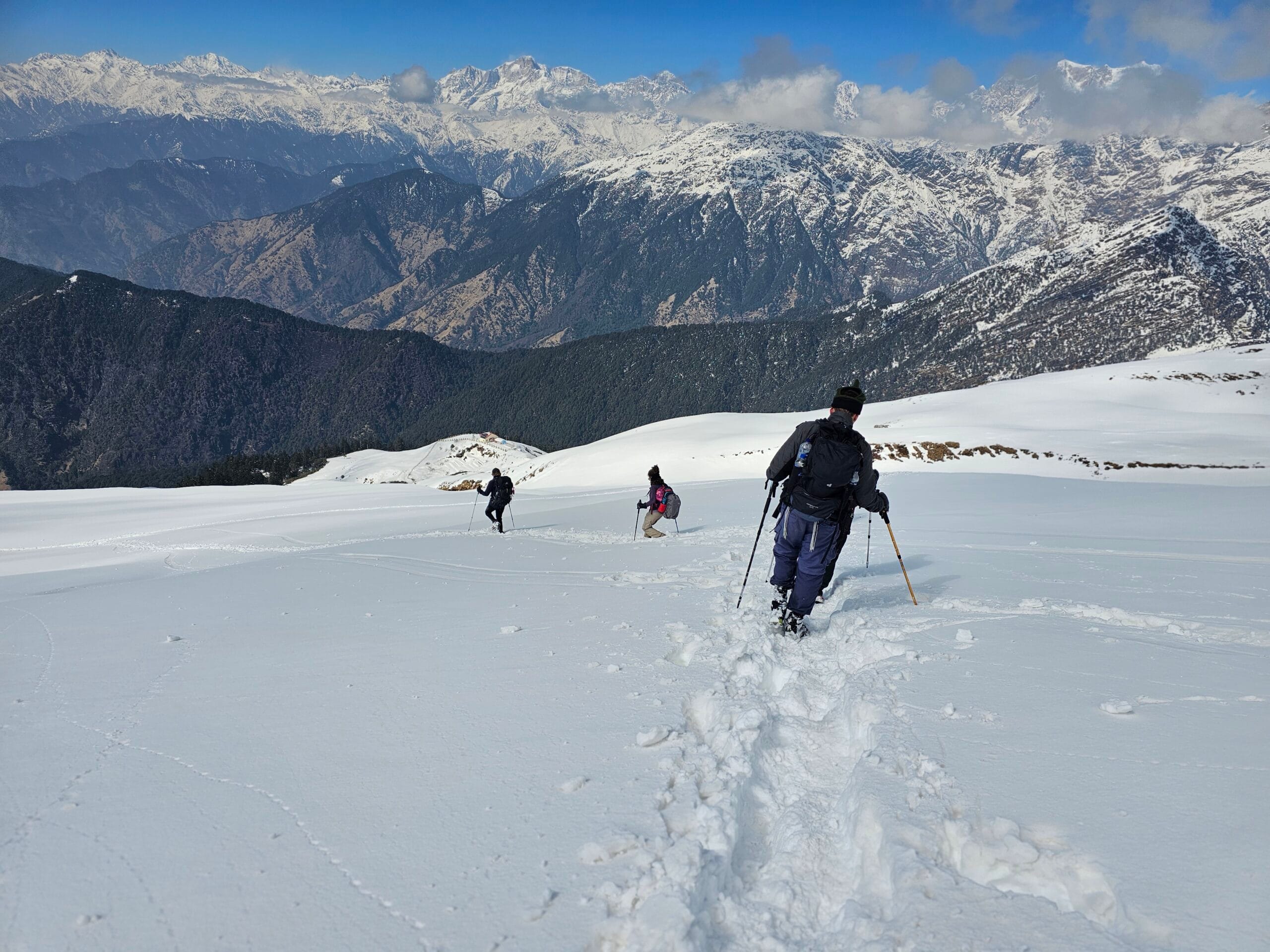
January is peak winter in Chopta. Fresh snowfall is common due to western disturbances, especially on the Chopta–Tungnath–Chandrashila route. Snow depth can range from 1 to 3 feet, depending on recent weather activity. The Chopta trek on fresh snow January 2026 will likely include packed snow trails, icy patches, and sub-zero night temperatures.
Always track weather updates and consult local operators before arrival.
2. Choose the Right Trek Route
During heavy snowfall, not all routes are safe. The Chopta to Tungnath trail remains the most preferred winter route because it is well-defined and manageable even in snow. Chandrashila summit attempts depend on wind speed and snow accumulation.
Local authorities may temporarily restrict access during extreme weather, so flexibility in your plan is key.
Book Now: Chopta Tungnath Chandrashila Trek
3. Carry Proper Snow Trekking Gear
Fresh snow trekking demands specialized gear. Essentials include:
- Waterproof trekking shoes with good grip
- Microspikes or gaiters for icy sections
- Insulated gloves, thermal layers, and down jackets
- UV-protected sunglasses (snow glare is intense)
Avoid cotton clothing entirely—it traps moisture and increases the risk of hypothermia.
4. Start Early to Avoid Weather Shifts
In January, weather conditions in Chopta can change rapidly. Clear mornings may turn cloudy by afternoon. Starting early ensures safer trail conditions and better visibility. For the Chopta trek on fresh snow January 2026, early starts also reduce the risk of walking on melting snow, which can be slippery.
5. Acclimatisation Is Still Important
Although Chopta is not extremely high in altitude, snow trekking increases physical exertion. Tungnath sits at 3,680 meters, and fresh snow adds resistance to every step. Stay hydrated, eat properly, and ascend gradually to avoid fatigue and altitude discomfort.
6. Trek With Local Experts Only
Snow conditions in January can hide trail markings, water streams, and steep drops. Trekking with experienced local guides is crucial. At Mapping The Himalayas, our ground teams provide real-time snow updates, trained winter guides, and safety equipment for snow treks in Chopta and nearby regions.
You can also explore similar winter options like the Kuari Pass Trek, which offers longer snow walks and wide Himalayan views. Learn more from trusted Himalayan trekking resources like Uttarakhand Tourism.
7. Capture the Snow—but Respect the Mountains
Fresh snowfall in Chopta creates postcard-perfect scenery—oak forests dusted with snow, frozen meadows, and glowing peaks at sunrise. While capturing photos, avoid stepping off trails or disturbing the fragile alpine ecosystem. Responsible trekking ensures these landscapes remain pristine for years to come.
Why January 2026 Is Perfect for Chopta Snow Trek
With increasing interest in winter trekking, January 2026 is expected to be one of the best times for fresh snow experiences in Chopta. Stable winter infrastructure, improved road access, and experienced local operators make it safer than ever—when done right.
If your goal is to experience the Chopta trek on fresh snow January 2026, proper planning, the right team, and respect for mountain conditions will make your journey unforgettable.